On this page
Tower projects across Manchester and Salford follow a repeating floor cycle. Each cycle brings the same temporary works items back to the top of the register, so control has to keep pace with the programme week after week.
Falsework and formwork
Every floor needs falsework designed for the actual slab, loads and pour sequence. The TWC confirms the design and its check, inspects the installation against the drawings and issues the permit to load before concrete is placed.
Back propping
Back props carry construction loads down through floors that are still gaining strength. The design sets how many floors are propped and when props can be removed. Striking early, or out of sequence, is one of the most common causes of overstressed slabs. Each removal should be authorised by a permit to strike.
Crane and hoist bases
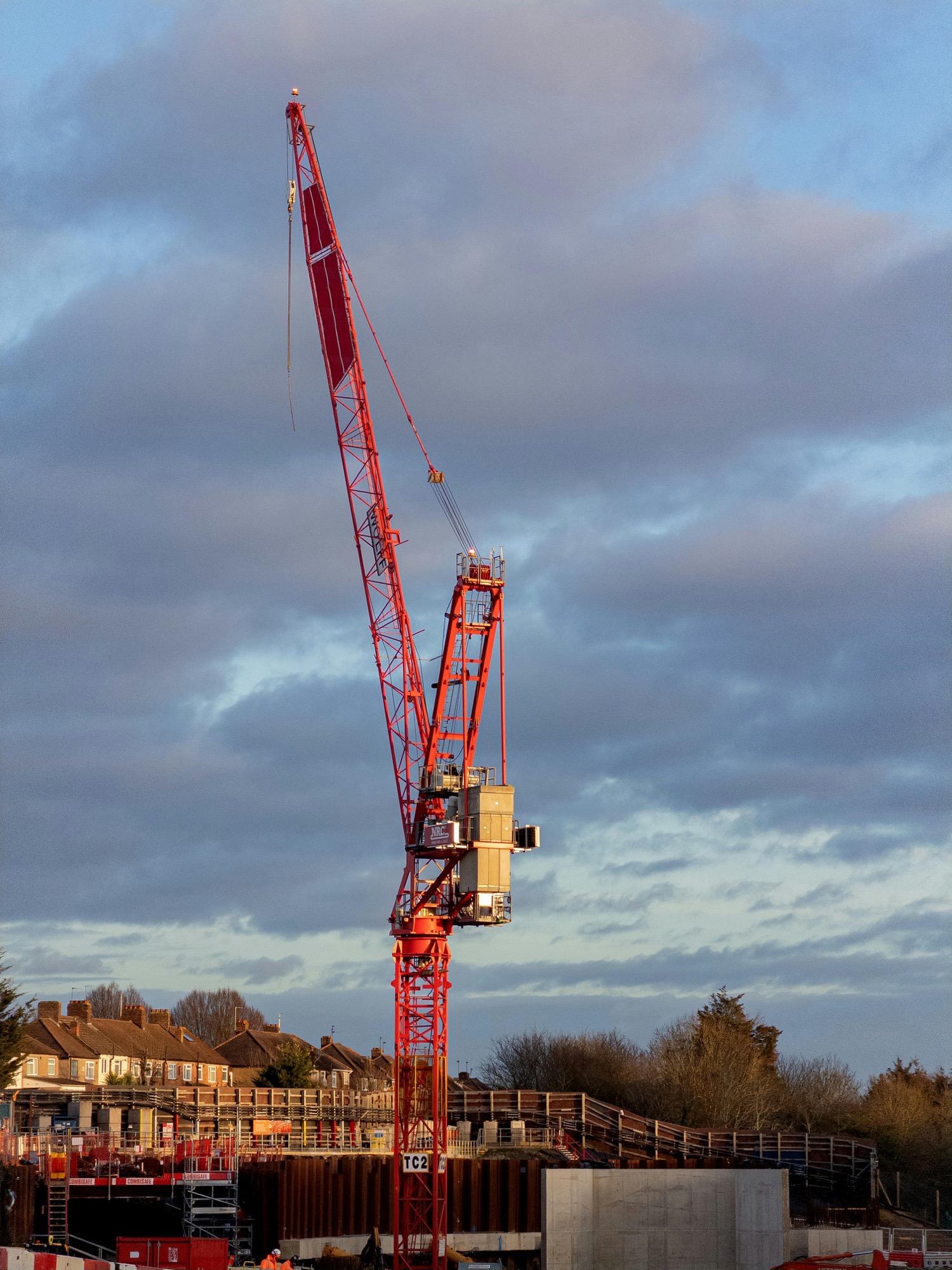
Tower crane and hoist bases on tight city centre plots often sit on piles or on the permanent structure. They need a full design brief with ground information, loads and ties. They usually need a higher category check.
Edge protection and screens
Perimeter screens and edge protection systems climb with the frame. Their design, anchorage into the slab edge and inspection after each climb belong on the register like any other item.
Facade works
Facade installation and any retained facades need temporary access, support and restraint. Coordinate these with the main frame so loads transfer in a controlled order.
Keeping control across the floor cycle
- Review the register at every programme meeting
- Plan items for the next three floors, not just the next pour
- Link permits to the concrete strength results that justify striking
- Brief Temporary Works Supervisors from each package every week
Use our TWC appointment checklist to confirm your arrangements. See our BS 5975 guide for the wider procedure.
Related reading: falsework and back propping coordination, permits to load and strike and design check categories.
Matthews & Roberts provides an independent Temporary Works Coordinator in Manchester and Salford, with Category 3 check coordination for complex items.
Frequently asked questions
What temporary works are typical on a high rise frame?
Falsework and formwork for each floor, back propping to lower floors, crane and hoist bases and ties, edge protection and facade access or retention.
Why does back propping need careful control?
Back props carry construction loads down through recently cast floors. Removing them too early, or in the wrong order, can overload slabs that have not reached their design strength.
Temporary works
Related guides and templates
Temporary works procedures link together. These guides and templates cover the rest of the process.
Guides
- BS 5975 Explained: The Contractor's Guide to Temporary Works ProceduresThe code of practice behind every temporary works procedure.
- Matthews & Roberts Appointed Temporary Works Consultant on £2bn Manufacturing FacilityMatthews & Roberts has been appointed Temporary Works Consultant on a £2bn manufacturing facility. The scale of the...
- Matthews & Roberts Appointed Temporary Works Consultant on Major M56 Infrastructure ProjectMatthews & Roberts has been appointed Temporary Works Consultant on a major infrastructure project on the M56,...
- What Is a Temporary Works Register and What Should It Include?What the register records and who keeps it.
Free templates
- Temporary Works Register TemplateExcel register with categories, checks and permits.Free · Excel and PDF
- Temporary Works Coordinator Appointment ChecklistCompetence, appointment and systems checks for a TWC.Free · Word and PDF
- Permit to Load & Permit to Strike TemplatesPermit forms ready to issue on site.Free · Word and PDF
Need support with temporary works on your project?