
On this page
Building in Liverpool city centre means working on tight plots surrounded by occupied, historic and listed buildings, busy streets and buried services. Temporary works sit at the centre of almost every one of those challenges, so they need to be planned from the start rather than solved on the day.
This guide sets out the issues we see most often and how a properly run temporary works process deals with them.
Adjacent and party wall structures
Many city centre plots share walls with neighbouring buildings or sit tight against them. Demolition, excavation and new foundations can all affect those structures.
- Survey adjacent buildings before work starts and record their condition
- Design temporary support and monitoring for any structure that could be affected
- Agree monitoring trigger levels and the actions that follow if they are reached
- Keep party wall matters and the temporary works procedure aligned so both reflect the same sequence
Basements and excavations
Basements and deep excavations are common on city centre schemes. Ground conditions near the waterfront can include made ground and water at shallow depth, so excavation support needs proper investigation behind it.
- Base the design brief on site specific ground investigation, not assumptions
- Plan propping sequences alongside the permanent works so props can be struck safely
- Control dewatering and monitor groundwater where it affects stability
Retained facades and heritage buildings
Liverpool has a large number of listed and historic buildings. Where a scheme retains a facade or works within a historic structure, the temporary works are critical to the outcome.
- Treat facade retention as a high category design with an independent check
- Coordinate the retention scheme with the permanent frame so loads transfer in a controlled order
- Agree access, protection and monitoring with the conservation team where required
Working on and next to the highway
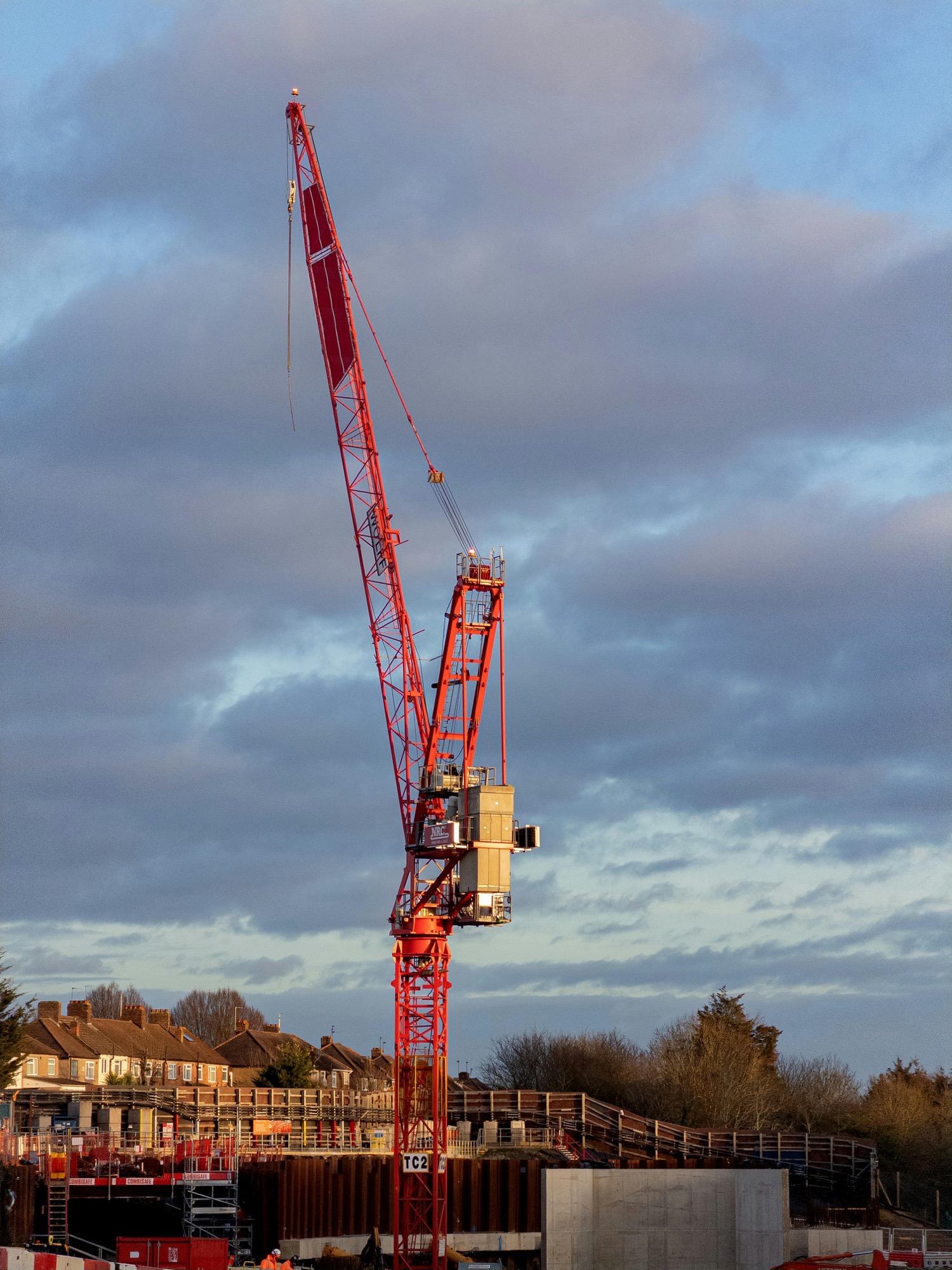
Scaffolds, hoardings, gantries and crane operations often affect the public highway.
- Apply for highway licences early and design to the licence conditions
- Plan oversailing, deliveries and lifting around traffic and pedestrian routes
- Include pedestrian protection in the temporary works register so it is inspected like any other item
Keeping control across the programme
On a compact site, one late change can affect several temporary works items at once. A live register, reviewed at every programme meeting, keeps upcoming items visible. Permits to load and strike then make sure nothing is used or removed before it is ready.
Use our Temporary Works Coordinator appointment checklist to confirm your arrangements before work starts. See our guide to BS 5975 for the wider procedure.
Related reading: facade retention temporary works, excavation support and scaffolding temporary works.
Matthews & Roberts is based in the Baltic Triangle and provides Temporary Works Coordinator services and temporary works design to contractors across Liverpool and the North West. Get in touch to discuss your site.
Frequently asked questions
Do I need a licence to put scaffolding or a hoarding on the highway in Liverpool?
Scaffolding, hoardings and other structures placed on the public highway normally need a licence from the highway authority, which in Liverpool is Liverpool City Council. Apply well before the planned start date and make sure the temporary works design reflects the licence conditions.
Who is responsible for temporary works next to a neighbouring building?
The contractor's temporary works procedure must cover any temporary works that support or protect adjacent structures. Where party wall matters apply, those are agreed separately with the neighbouring owners, but the design, checking, installation and permits still sit within the contractor's BS 5975 process.
Can Matthews & Roberts provide a Temporary Works Coordinator for a Liverpool site?
Yes. We are based in the Baltic Triangle and provide independent Temporary Works Coordinators to contractors on sites across Liverpool and Merseyside.
Temporary works
Related guides and templates
Temporary works procedures link together. These guides and templates cover the rest of the process.
Guides
- BS 5975 Explained: The Contractor's Guide to Temporary Works ProceduresThe code of practice behind every temporary works procedure.
- Temporary Works on High Rise Frames in Greater ManchesterHigh rise frames in Manchester and Salford carry a long list of temporary works that move with the floor cycle. This...
- Matthews & Roberts Appointed Temporary Works Consultant on £2bn Manufacturing FacilityMatthews & Roberts has been appointed Temporary Works Consultant on a £2bn manufacturing facility. The scale of the...
- Matthews & Roberts Appointed Temporary Works Consultant on Major M56 Infrastructure ProjectMatthews & Roberts has been appointed Temporary Works Consultant on a major infrastructure project on the M56,...
Free templates
- Temporary Works Register TemplateExcel register with categories, checks and permits.Free · Excel and PDF
- Temporary Works Coordinator Appointment ChecklistCompetence, appointment and systems checks for a TWC.Free · Word and PDF
- Permit to Load & Permit to Strike TemplatesPermit forms ready to issue on site.Free · Word and PDF
Need support with temporary works on your project?